Acton Carpet Cleaning in Acton
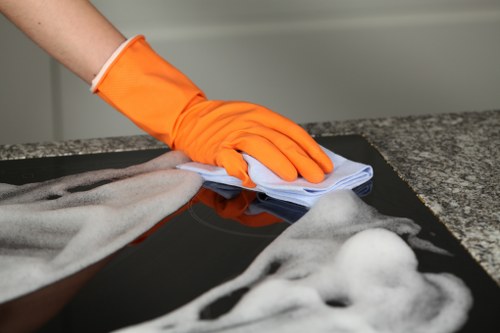
Acton Carpet Cleaning provides carpet cleaning in Acton with a practical focus on restoring freshness, removing embedded soil and helping floor coverings look cared for in homes and workplaces. The service is built around the needs of everyday carpet fibres, from routine maintenance cleans to more intensive work on heavier wear. We use a methodical approach that is intended to suit the condition of the carpet rather than forcing every job into the same process.
Carpets collect dry dust, tracked-in grit, spills and general dulling over time, and a proper clean needs more than a quick surface pass. Our work is designed to address the visible marks and the deeper build-up that ordinary vacuuming cannot shift. If you are comparing options, it helps to think about the age of the carpet, the type of fibre and whether the job is best treated as a maintenance clean or a more thorough restorative clean.
For an initial discussion, you can look at pricing and quotes or keep it simple and ask for a quotation in plain language. If you already know the rooms or areas involved, that usually makes it easier to shape a sensible recommendation. We are happy to talk through the scope before any visit is arranged.
Carpet cleaning methods for different fibres
Different carpets respond differently to moisture, agitation and detergent strength, so the method matters as much as the end result. A low-pile synthetic hall runner does not need the same handling as a thicker lounge carpet or a delicate decorative floor covering. Careful carpet cleaning should balance effective soil removal with the need to protect pile structure, colour and drying behaviour. That is why a service aimed at carpets in Acton should be described in terms of method choice as well as finish.
Carpet cleaning is not only about one visible stain; it also involves working through the whole surface so the cleaned area looks even rather than patchy. In practice, that means attention to edges, traffic lanes, doorways and the places where dust and debris are pushed down into the pile. A good result is usually measured by uniform improvement, not by one dramatic patch on its own. When the carpet has aged unevenly, a careful cleaner may need to adjust dwell time, agitation and extraction to suit the material.
Before any work begins, it is sensible to note where the carpet has heavy use, whether there are any earlier spot treatments and whether the flooring has natural or synthetic fibres. Those details help set the right expectations for cleaning and drying. If you want to proceed, the next step can simply be to request a quotation with the rooms and carpet types described clearly.
Stain treatment, spotting and problem areas

Targeted stain treatment is often the part of carpet cleaning customers notice most, but it works best when it is approached carefully. Not every mark is a simple stain, and some are caused by dyes, old spill residue or fibre distortion rather than dirt alone. In those cases, the aim is to improve appearance as far as the carpet allows without creating a worse patch through over-treatment. Spotting is therefore a measured process, not a guess.
We can also support carpets that have concentrated wear in entrances, under tables or around seating areas. These zones often need a little more attention because soil accumulates where feet pause, turn or drag across the pile. A sensible treatment plan may include pre-treatment, controlled agitation and more than one pass over a marked section if the material responds well. The right balance is important: aggressive treatment can sometimes flatten the pile or spread a problem instead of solving it.
Common carpet issues include drinks spills, food marks, muddy tracks and the dull shadowing that builds up in circulation routes. A practical service looks at each type of mark separately and uses the least intrusive method likely to improve it. If you are unsure whether a stain is treatable, ask first and describe the mark plainly; a careful assessment is usually more useful than assuming every spot needs the same remedy.
Domestic carpet care for rooms that get daily use
Domestic carpet cleaning is often needed in living rooms, stairs, landings and bedrooms where the surface is exposed to regular footfall and occasional spills. These are not always the dirtiest carpets in the house, but they can show wear because they are used so often. The work usually focuses on lifting general soil, refreshing the appearance of the pile and dealing with the sort of marks that build up gradually rather than suddenly. That includes the greying effect of fine dust and the flattened look caused by repeated traffic.
Domestic cleaning can provide a broader context when a household wants a cleaner overall feel, but carpet care still needs its own method and timing. In a home setting, it is useful to think about furniture movement, access to each room and whether particular areas have been recently renovated or decorated. Carpets near entrances and pet resting spots may need a different level of attention from those in lower-use bedrooms. A practical plan should reflect those differences rather than assuming one setting fits all.
For households, a short note listing the rooms, carpet type and any marks of concern is often enough to start the conversation. If you want to move ahead, keep the request direct and ask for a quote once the basic details are ready.
Hallways, stairs and other high-traffic carpeted areas
Hallways and stairs often need more frequent carpet cleaning because they collect debris from shoes and show wear more quickly than quieter rooms. The challenge is not only visible dirt; it is also the compacted feel that builds up where people walk the same route day after day. Cleaning these areas well often means treating narrow sections carefully, working around stair edges and paying attention to the places where dirt settles into corners and along risers.
One-off cleaning may suit carpets that need an occasional deeper reset rather than a routine maintenance cycle. This is often useful when a property has had a period of heavy use, a gathering, building work or simply a long gap between cleans. A one-off approach can still be thorough, but it should be planned with realism about what is possible in a single visit. Carpets that are heavily worn may improve visibly without becoming completely uniform, and that distinction matters when deciding what outcome is sensible.
Where stairs are involved, access and drying space should be considered in advance so the cleaned route does not have to be reused too soon. It is often wise to schedule carpet work when the household can avoid repeated traffic for a period after cleaning. That is a practical consideration, not a dramatic one, but it can make a clear difference to the finished result and the way the carpet settles afterwards.
Upholstery, rugs and related soft furnishings

Some customers need carpet cleaning alongside other fabric care, particularly where rugs and upholstered items share the same rooms. A rug often shows dirt differently from a fitted carpet because it may be moved, rotated or placed over a different floor surface, while upholstery takes on body oils, dust and everyday marks in a more concentrated way. It is helpful to treat these as related but distinct tasks rather than assuming the same process suits every textile.
Rug cleaning can be especially valuable where a rug has decorative fibres, fringe details or colour that needs careful handling. Rugs may need a lighter, more considered process depending on construction, backing and dye stability. Likewise, upholstery cleaning may be relevant when sofas, chairs or other fabric items need freshening at the same time as the carpeted floor. Keeping the tasks aligned can make the room feel more evenly cared for, but each material still needs its own assessment.
It is often best to separate what is worth cleaning from what is simply worn out. A rug with stable structure and surface dirt is a good candidate for cleaning; a piece with damage or fibre loss may need a different decision. The same principle applies to soft furnishings. If you are planning several items together, explain which fabrics are involved so the quotation can reflect the actual work rather than a generic guess.
Preparation, access and quotation details
Useful quotation details are usually straightforward: the number of rooms or items, approximate sizes, carpet type if known and any notable stains, odours or problem areas. It also helps to mention whether furniture needs to be worked around and whether there are stairs or awkward access points. These practical notes allow the cleaning plan to match the property instead of relying on a broad estimate. The clearer the picture, the easier it is to make a sensible recommendation.
Contact us is the natural next step if you want to ask about availability or discuss the scope of work. If you prefer to compare options first, about us gives a broader view of the business pages available on the site, while cleaning company provides a simple overview page for general service browsing. For a full understanding of pricing and terms, the site also includes terms and conditions and payment and security.
When preparing a room, a small amount of practical access can save time during the visit, but there is no need to overcomplicate it. The important thing is that the areas to be cleaned are identified clearly and that any particularly delicate items are mentioned in advance. If you are ready to move forward, a plain request for a quotation is enough; there is no need to overstate the job.
Cleaning choices for homes and workplaces
Although domestic settings are common, carpet cleaning can also be useful in offices, shared premises and other workplaces where floor coverings are part of the day-to-day environment. In those settings, the work may be shaped by access times, foot traffic patterns and the need to minimise disruption in occupied areas. Carpets in workplaces often show wear at thresholds, around desks and in meeting areas, so the clean needs to respond to actual use rather than to a theoretical ideal of the room.
Office cleaning and office cleaners are useful references if the property is part of a broader workplace cleaning arrangement, while house cleaning and home cleaners may be more relevant to households wanting more general support. These pages sit alongside carpet work rather than replacing it. A client can therefore decide whether the need is a focused carpet clean or a broader cleaning arrangement with carpet care included as part of the plan. Keeping those distinctions clear avoids confusion and helps shape a more accurate enquiry.
For most customers, the practical decision is whether the carpet needs a targeted service now or whether it can wait until the next routine clean. That depends on the level of visible dulling, the presence of stains and the way the room is used. If the carpet is integral to how the room looks and feels, it is usually worth dealing with the problem before the pile becomes more compressed and harder to revive.
Deeper cleaning where the carpet needs extra attention
Some carpets need more than a standard freshen-up, especially if they have been exposed to heavy use, accumulated residue or a long gap between proper cleans. A deeper approach can help when soil is worked into the pile, when a room has been used intensively or when regular vacuuming has not restored a clean appearance. The aim is still controlled and careful, but the process may include more thorough pre-treatment, more concentrated attention on traffic paths and more deliberate extraction.
Deep cleaning is a useful page to consider when the carpet is not simply lightly dirty but genuinely in need of a more intensive reset. Similarly, after builders cleaning may be relevant if dust from decorating or renovation has settled into the pile. Dust from works can behave differently from ordinary domestic dirt, so it should be removed in a way that reaches into the fibres without over-wetting the floor covering. The result should feel clean, not stiff or overwet.
Strong, even cleaning depends on matching the method to the condition of the carpet. A heavily soiled area might need more than one stage, but that should still be judged carefully so the fabric is not overworked. When you are deciding between a routine service and a deeper clean, think about what is actually visible, how long the issue has been present and whether the carpet has changed texture as well as colour.
Service planning, related pages and useful details
Customers often like to compare carpet cleaning with other floor and fabric services before making a choice. That can be sensible, especially if several items in the property need attention at the same time. A carpeted floor, a fitted rug, a sofa and a hard floor all demand different treatment, so it is better to identify each task clearly than to assume one general cleaning description covers everything. That kind of clarity helps the quotation feel practical rather than vague.
Hard floor cleaning is relevant when the same room includes tiles, wood or other non-carpet surfaces that also need care. For broader property needs, end of tenancy cleaning may be a better fit when the aim is to prepare a property for changeover, while cleaner and cleaners offer shorter general-entry pages for visitors comparing basic service categories. If your main need remains the carpet itself, keep the request focused on the floor covering and mention any adjoining surfaces only where they matter to access or finish.
Useful comparison points when requesting a quotation include the room count, carpet material, visible stains, whether pets are present and whether any furniture must stay in place. Those details do not need a long explanation, just a clear summary. Once the basics are set out, the next step is simply to ask for a quotation and decide whether the work should be arranged as a standard clean or a deeper one.
About Acton

Acton is an area in west London within the London Borough of Ealing, and its history reaches back to a settlement recorded in medieval sources. Over time it developed from a village on the western approaches to London into a dense urban district shaped by transport links, housing growth and changing patterns of industry and commerce. The name is associated with several distinct parts of the wider area, including Central Acton, East Acton, West Acton and South Acton, each with its own character while remaining connected by the same local identity. The place sits in a city setting rather than as a self-contained town, yet it retains a recognisable centre and a strong sense of continuity in streets, institutions and public spaces.
One of Acton’s notable features is the mixture of older buildings and later development. Victorian and Edwardian terraces appear alongside post-war estates, modern apartment schemes and commercial premises, creating a varied streetscape rather than a single architectural style. The area has long been shaped by movement, with major roads and rail connections influencing its growth and the way its neighbourhoods relate to one another. Local life is also supported by parks and open spaces, including Acton Park, which provides a green counterpoint to the surrounding built environment. The broader district has cultural and religious diversity, reflected in community facilities, shops and places of worship that serve different groups across the area. This mix of residential streets, transport corridors and civic spaces gives Acton a layered urban character that has changed over time without losing its name or centre of reference.