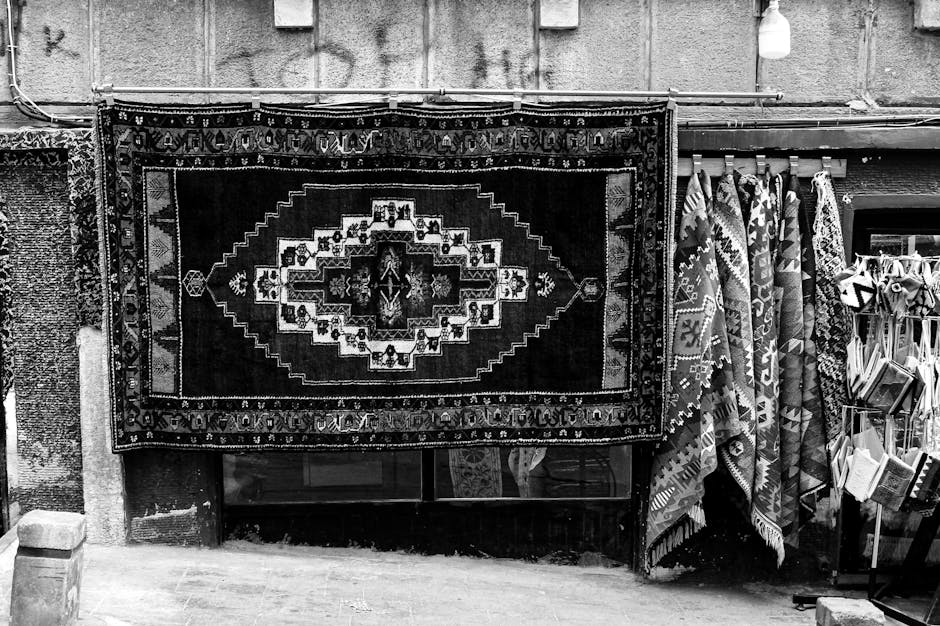
Churchfield Road rug cleaning specialists in Acton: a practical guide for cleaner, longer-lasting rugs
If your rug is looking tired, holding on to a stubborn mark, or giving off that slightly dusty smell you only notice when the heating comes on, you are not alone. Finding Churchfield Road rug cleaning specialists in Acton is usually about more than making a rug look nice again. It is about protecting fibres, lifting trapped dirt, and avoiding the kind of damage that happens when a delicate piece gets cleaned the wrong way. In a busy stretch of west London, that matters. A lot.
This guide walks through what professional rug cleaning actually involves, why local experience makes a difference, how the process works, and what to look for before you book anyone to handle your rug. You will also find practical tips, a comparison table, a checklist, and answers to the questions people usually ask when they want the job done properly, not just quickly.
One small thing, but an important one: a good rug clean should feel reassuring, not risky. If you have ever hovered over a bottle of supermarket cleaner thinking, "Will this make it worse?", that instinct is usually right.
Why Churchfield Road rug cleaning specialists in Acton matters
Rugs do more than sit on a floor. They catch grit from shoes, pet hair, pollen, food debris, and whatever else gets walked in from the street. Around Churchfield Road and the wider Acton area, that build-up can happen faster than people expect, especially in homes with children, pets, or regular foot traffic. A rug can look fine on the surface while deep-down fibres are holding soil that slowly dulls colour and texture.
This is where specialist cleaning earns its keep. Rugs are not just smaller carpets. They can be hand-knotted, machine-made, wool, synthetic, silk-blend, tufted, or backed with materials that react differently to moisture and heat. A one-size-fits-all method is a bad idea, honestly. It is the sort of shortcut that can lead to colour bleeding, shrinkage, backing damage, or a patchy finish that stands out even more than the original stain.
Local expertise matters too. A cleaner who regularly works in Acton will be used to common household setups: hallways with limited space, period flats with narrow stairs, modern apartments with lifts that are always just slightly awkward, and family homes where time is tight. They understand that the right cleaning approach is as much about handling and logistics as it is about detergents.
There is also peace of mind. When you choose a specialist service, you are usually choosing a more careful assessment before any cleaning starts. That assessment should cover fibre type, dye stability, wear patterns, stain history, and whether the rug can be cleaned in place or needs off-site treatment. It is the difference between guesswork and judgement.
Expert summary: the best rug cleaning is rarely the most aggressive. It is the most appropriate. That small distinction saves a lot of headaches.
How Churchfield Road rug cleaning specialists in Acton works
Professional rug cleaning usually starts with inspection. A specialist looks at the rug's construction, condition, and visible contamination. They will often check for loose threads, weak edges, fringe issues, old repairs, and any signs that the dyes may be unstable. If a rug has sentimental value or is particularly delicate, that first conversation matters more than people realise.
After the assessment, the cleaner chooses a method. For many rugs, the process includes dry soil removal, spot treatment, controlled washing, rinsing, and careful drying. In other cases, low-moisture techniques are better, especially where the rug cannot tolerate too much water. There is no magic trick here. Just a controlled sequence done with the right products and patience.
If the rug is cleaned off-site, it is usually taken to a setting where temperature, airflow, and drying can be managed properly. That matters because the drying stage is where many amateur jobs fall apart. A rug that stays damp for too long can develop odours, distorted fibres, or mould risk. Nobody wants that smell. You know the one.
For in-home cleaning, the process may be more limited but still highly effective for suitable rug types. The cleaner will protect surrounding floors, manage drying conditions, and reduce disruption. A good operator should be able to explain why one method is preferred over another, in plain English, not in sales jargon.
When a rug has been affected by a spill, the timing of the clean matters. Fresh staining is often easier to treat, but old stains are not hopeless. They just need a more careful approach. Sometimes an older mark is actually a combination of spills, residue from previous cleaning, and flattened pile. That is why "just scrub it" is usually terrible advice.
Key benefits and practical advantages
There is a real practical upside to specialist rug cleaning, and it is bigger than surface appearance. Clean rugs help your room feel fresher, reduce the gritty underfoot feel that builds up over time, and can extend the life of the textile. For anyone investing in a quality rug, that alone is reason enough.
- Better fibre care: a specialist uses methods matched to the rug's material and construction.
- Improved appearance: colours can look clearer and patterns less muted once embedded soil is removed.
- Odour reduction: regular deep cleaning helps remove trapped smells from spills, pets, and general use.
- Longer lifespan: removing abrasive grit helps reduce wear on the pile and backing.
- Safer stain treatment: professional cleaners are less likely to spread a stain or lock it in with the wrong product.
- Better drying control: managed drying lowers the risk of damp-related problems.
There is a comfort factor too. A well-cleaned rug changes the feel of a room. Not in a dramatic TV-makeover way, but in a quiet, everyday way. The space looks cared for. Softer. Less cluttered, somehow.
For households with pets or children, the benefit is even more obvious. Rugs absorb life. Muddy paws, dropped cereal, a drink tipped over during a film night, the occasional mystery mark that nobody admits to. Specialist cleaning helps reset that background chaos.
If you are comparing options, it is worth pairing rug cleaning with broader home care where needed. Some customers also look at deep cleaning support for rooms that need a fuller refresh, or sofa cleaning and upholstery cleaning when fabric care is needed across the whole property. That can make the result feel more complete.
Who this is for and when it makes sense
Rug cleaning specialists are useful for a wider range of people than many assume. It is not only for expensive heirlooms or "designer" interiors. In fact, many of the most urgent cases are ordinary homes with ordinary rugs that have simply taken a beating over time.
You may need this service if:
- your rug has traffic lanes or flattened patches
- there are food, drink, mud, pet, or accident stains
- you notice lingering odours despite regular vacuuming
- the colours look dull or greyed out
- the rug is made from wool, silk, or another delicate fibre
- you are moving home and want the room presented well
- you rent and want to leave the property in a clean, respectful state
- you have had recent decorating or building work and dust has settled into the fibres
That last one is easy to overlook. Fine dust from sanding or building work can drop into rug pile and behave like grit. If you have had work done nearby, a combination of carpet, rug, and surface cleaning can make a noticeable difference. Some customers pair it with after builders cleaning or broader domestic support through domestic cleaning when the whole room needs a reset.
Truth be told, the timing often comes down to how you use the room. A hallway rug in a busy family home may need attention sooner than a decorative rug in a guest room that barely gets walked on. There is no universal schedule, but there is usually a point where vacuuming alone stops being enough.
Step-by-step guidance
If you want the best possible result, it helps to understand the process before you book. That way you know what good service looks like, and you are less likely to be sold a vague promise.
- Start with identification. Know whether the rug is wool, synthetic, silk, blended, or handmade. If you do not know, that is fine. A specialist can usually tell after inspection.
- Describe the problem clearly. Mention stains, odours, pet issues, water marks, or previous cleaning attempts. The more honest you are, the better.
- Ask about the method. Find out whether the rug will be cleaned in place or off-site, and why that approach suits the material.
- Request a pre-clean check. A proper inspection should look for weak dyes, fraying, stains, and damage before any wet work starts.
- Prepare the area. Move small items, clear access, and make space for lifting or drying. Tiny bit of preparation, big difference.
- Discuss drying expectations. Ask how long the rug may remain out of use and what conditions are best for airflow.
- Review aftercare. Good cleaners should explain what not to do straight afterwards, especially with heat, furniture, and foot traffic.
One practical point: if a cleaner cannot explain their process clearly, that is a warning sign. Not because every technical detail needs to be shared, but because a trustworthy specialist should be able to talk you through the work without sounding evasive.
Expert tips for better results
Small decisions make a big difference with rugs. You do not always need more product. You need better judgement.
- Vacuum before the clean. Dry soil is easier to remove before any moisture is introduced.
- Blot, don't rub. Rubbing spreads stain and can distort fibres. It is the classic mistake.
- Test first on delicate rugs. Even mild-looking cleaners can affect dyes or pile.
- Rotate rugs regularly. That helps even out wear and sun exposure.
- Use underlay where suitable. It can reduce friction, slipping, and early wear.
- Act quickly on spills. The first few minutes matter. After that, life becomes more interesting.
- Keep humidity in mind. A rug that dries slowly in a warm room may need extra airflow.
It also helps to think about the whole fabric environment in the room. Rugs collect what curtains, cushions, and sofas shed into the air. If the room has broader dust or spill issues, it can make sense to review carpet cleaning, sofa cleaning, or even window cleaning for a fuller refresh. Clean windows, oddly enough, do make the room feel brighter and help the whole place read as cleaner.
And yes, avoid the temptation to "just have a go" with a random spray because it worked on a hoodie once. Rugs have opinions. Some of them are expensive.
Common mistakes to avoid
Most rug damage from cleaning is not caused by the rug being impossible to clean. It is caused by the wrong approach. The biggest errors are usually very ordinary ones.
- Using too much water: saturation can lead to backing issues, dye migration, or slow drying.
- Scrubbing stains aggressively: this can spread the mark and damage pile structure.
- Skipping fibre checks: wool and synthetic rugs do not respond the same way.
- Ignoring fringe care: fringes can tangle, yellow, or tear if treated badly.
- Leaving a rug damp for too long: this creates odour and mould risk.
- Trying to cover stains with fragrance sprays: that tends to mask the issue, not solve it.
- Choosing based only on price: the cheapest option can become the most expensive if the rug is damaged.
Another one that comes up often: people assume a rug can be treated like a carpet because both are soft underfoot. They are not the same thing. Not even close, really. Rugs often need more considered handling, especially if they are decorative, old, or made from mixed fibres.
If your rug has sentimental value, say so upfront. Good specialists appreciate that. It changes the level of care, and it should.
Tools, resources and recommendations
Without getting too techy, professional rug cleaning relies on a combination of inspection tools, controlled cleaning products, and drying equipment. The exact setup varies, but the important thing is that the tools are matched to the rug, not the other way around.
Useful features of a well-run service often include:
- fibre and dye inspection before cleaning
- spot-treatment products suitable for the rug type
- gentle agitation tools for loosening soil
- careful moisture control
- air movement for drying
- protective handling for transport if off-site work is needed
For readers comparing services, it can help to look at the company's general approach to professionalism and accountability. Pages such as about us, insurance and safety, health and safety policy, and terms and conditions are useful signals. They do not clean the rug, of course, but they tell you a lot about how a company works.
If you are trying to plan around budget, pricing and quotes is the sensible next stop. And for payment reassurance, it is also worth checking payment and security. People sometimes forget that trust is part of the service, not just the cleaning.
Households and landlords who want a broader refresh may also look at one-off cleaning when a room needs a single intensive visit rather than an ongoing plan. That is often the practical choice after a party, a tenancy change, or a long stretch of neglect. Happens more than people admit.
Law, compliance, standards and best practice
For rug cleaning in a home setting, the main concern is not legal complexity; it is safe and responsible working. A reputable cleaner should use products and methods in line with general UK best practice for safe handling, sensible risk reduction, and clear communication. That includes protecting surfaces, using suitable products, and not making claims they cannot support.
If cleaning takes place in a property with shared access, narrow stairs, or vulnerable flooring, careful setup matters. Likewise, if a rug is especially valuable or fragile, the cleaner should be cautious about promises. A good professional will not rush the decision just to sound confident.
From a customer perspective, a few basics are worth checking:
- the company explains its process before starting
- the cleaner knows how to handle delicate materials
- there is a clear complaints route if something goes wrong
- the business is transparent about pricing and scope
- they respect privacy, access, and customer property
For that last point, it may sound obvious, but trust is built in the details. Shoes off when requested. Care around doorframes. Quiet handling in the hallway. It all adds up.
If you want to review service standards more generally, the provider's pages on complaints procedure, privacy policy, and recycling and sustainability help show how they think about customer care and responsible practice.
Options, methods and comparison table
Different rugs need different approaches. The table below gives a plain-English comparison of common cleaning options so you can see what tends to suit which situation.
| Method | Best for | Advantages | Watch-outs |
|---|---|---|---|
| In-home rug cleaning | Synthetic rugs, lightly soiled rugs, practical routine refreshes | Convenient, less handling, quicker to arrange | Not ideal for very delicate or heavily soiled pieces |
| Off-site specialist cleaning | Wool, silk, handmade, antique, or high-value rugs | Better control over washing and drying | Requires transport and more time away from home |
| Low-moisture treatment | Rugs that cannot take much water | Reduced drying time, lower saturation risk | May not suit deep contamination or certain stains |
| Spot treatment only | Fresh, isolated marks on otherwise clean rugs | Fast, targeted, cost-conscious | Not a substitute for full cleaning if soil build-up is widespread |
There is no universal best method. The right one depends on the fibre, construction, condition, and what the rug has been through. That may sound basic, but it is where a lot of poor decisions start: people pick the method before they understand the rug.
If you are unsure, ask the cleaner to explain why they recommend one option over another. If they cannot do that clearly, move on. No drama, just common sense.
Case study or real-world example
A typical local example is a family rug in a Churchfield Road home that had picked up a mix of muddy footprints, a faded drink spill, and a lingering general smell from everyday use. Nothing catastrophic. Just the sort of thing that creeps up over months.
The owner had already tried a store-bought foam and a lot of enthusiasm. The foam lightened the surface mark but left a slightly chalky patch. The rug still looked flat, and in daylight the old stain had a faint ring around it. A specialist assessment found the rug was wool with a sensitive dye structure, so a gentler, controlled clean was the safer choice.
After pre-inspection, dry soil removal, and targeted stain treatment, the rug was cleaned using a method that avoided over-wetting. Drying was managed carefully with airflow and space around the rug. The result was not a dramatic "brand new" transformation, because that is rarely realistic, but the colours were clearer, the smell was gone, and the pile had more life. More importantly, the rug was handled without stressing the fibres.
That is the sort of outcome most people actually want. Not perfection. Just a well-cared-for rug that feels worth keeping.
Practical checklist
Use this checklist before booking or preparing for a rug clean.
- Identify the rug material if you can.
- Note any stains, odours, or problem areas.
- Take a quick photo of the rug before cleaning.
- Ask whether the rug will be cleaned in place or off-site.
- Confirm how the cleaner handles delicate fibres and fringes.
- Ask about drying time and aftercare.
- Clear access routes and move fragile items nearby.
- Check what happens if the rug has pre-existing wear or damage.
- Review pricing, payment, and terms before agreeing.
- Make sure you are comfortable with the company's trust and safety information.
Quick takeaway: the best results usually come from a calm, careful process. The rug tells you what it needs, if someone is paying attention.
Conclusion
Finding Churchfield Road rug cleaning specialists in Acton is really about choosing skill over shortcuts. A specialist should be able to identify your rug correctly, choose the right method, explain the risks clearly, and leave you with a cleaner piece that still feels like itself. That balance matters. A lot.
Whether your rug needs routine maintenance, stain treatment, or a more delicate off-site clean, the right approach protects both appearance and value. It also saves you from the stress of trial-and-error cleaning at home, which, to be fair, is rarely as innocent as it looks.
If you are comparing providers, focus on clarity, experience, care, and transparency. That combination is usually a better guide than big promises or too-good-to-be-true deals. And if you have been putting it off because the rug feels awkward to move or the stain has been there "for ages", that is understandable. It happens. The important thing is that it can still be tackled properly.
Get a free quote today and see how much you can save.
When a rug is looked after well, the whole room tends to feel calmer. Sometimes that is the real win.
Frequently Asked Questions
How do I know if my rug needs professional cleaning?
If vacuuming no longer lifts the dullness, stains keep reappearing, or the rug smells stale even after airing, it is probably time for a professional clean. Delicate rugs should also be treated professionally rather than tested with random products at home.
Can all rugs be cleaned the same way?
No. Wool, silk, synthetic, handmade, and machine-made rugs can all respond differently to moisture, heat, and cleaning agents. A good specialist will adjust the method to suit the rug, not force the rug to suit the method.
Is off-site rug cleaning better than in-home cleaning?
Neither is automatically better. Off-site cleaning is often safer for valuable or delicate rugs because the drying and washing can be controlled more closely. In-home cleaning can be very practical for sturdier rugs and lighter contamination.
How long does a rug take to dry after cleaning?
Drying time depends on the fibre, the cleaning method, the thickness of the rug, and room conditions. A specialist should give you a realistic estimate and explain what to do while the rug dries.
Will rug cleaning remove old stains?
Sometimes yes, sometimes partially, and sometimes not fully. Older stains can become set into fibres or altered by previous DIY attempts. A specialist can often improve them significantly, but no one should promise miracles.
Does professional rug cleaning help with pet odours?
Yes, it often does, especially when the odour is trapped in the pile or backing rather than sitting only on the surface. Persistent pet smells can be stubborn, though, so the cleaner should inspect the rug before choosing a method.
Should I vacuum my rug before the cleaner arrives?
Yes, if it is safe to do so. Removing loose dust and grit first helps the deep clean work better. If the rug is fragile or heavily soiled, tell the cleaner and let them advise you.
How often should a rug be professionally cleaned?
There is no fixed rule. High-traffic rugs may need attention more often than decorative pieces. A sensible schedule depends on use, fibre type, pets, and whether the rug is in a hallway, living room, or low-use space.
What should I ask before booking a rug cleaning service?
Ask about the rug type they handle, the cleaning method, drying time, insurance and safety, pricing, and what happens if the rug has pre-existing damage. Clear answers are a good sign.
Can rug cleaning be combined with other home cleaning services?
Yes. Many people combine rug cleaning with carpet care, sofa cleaning, upholstery cleaning, or a broader one-off clean so the whole room feels refreshed rather than just one item.
Is it safe to clean a rug with a shop-bought product?
Sometimes for very small fresh spills, yes, but it is easy to overdo it. Strong sprays, too much water, or rubbing too hard can cause more damage than the original stain. If the rug matters to you, caution is usually the smarter route.
What if my rug has frayed edges or loose threads?
Tell the cleaner before they start. Frayed edges and loose threads need extra care because aggressive cleaning can make the damage worse. A specialist should factor that into the plan from the start.
If you want a cleaner, calmer room without guessing your way through another DIY fix, local specialist help is usually the sensible next step. And sometimes, that is enough to take the weight off your shoulders for a while.